How it works
The diffused silicon piezoresistive sensor operates on the principle of the piezoresistive effect. Strain resistors are fabricated by doping and diffusion along specific crystal orientations on a monocrystalline silicon wafer to form a Wheatstone bridge. Variations in pressure unbalance the bridge, generating an output signal linearly proportional to the pressure change.
The monocrystalline silicon resonant sensor works via electromagnetic excitation and electromagnetic vibration pickup, with a frequency output signal. When pressure is applied to the upper and lower surfaces of the monocrystalline silicon wafer to create a pressure differential, the silicon wafer deforms, altering the frequency of the resonant beam. In this way, the pressure signal is converted into a frequency signal.
Key features
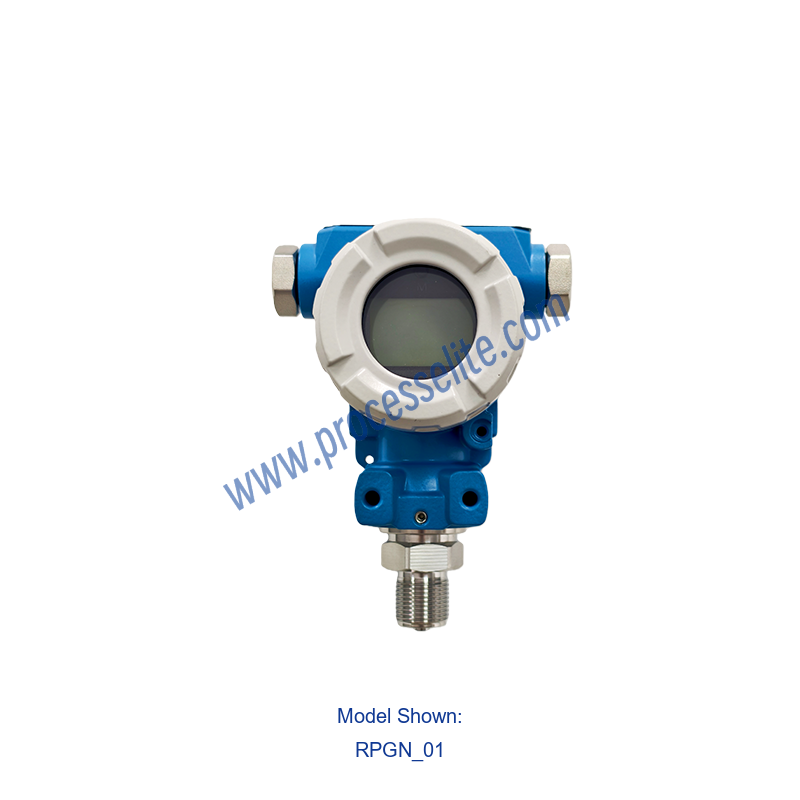
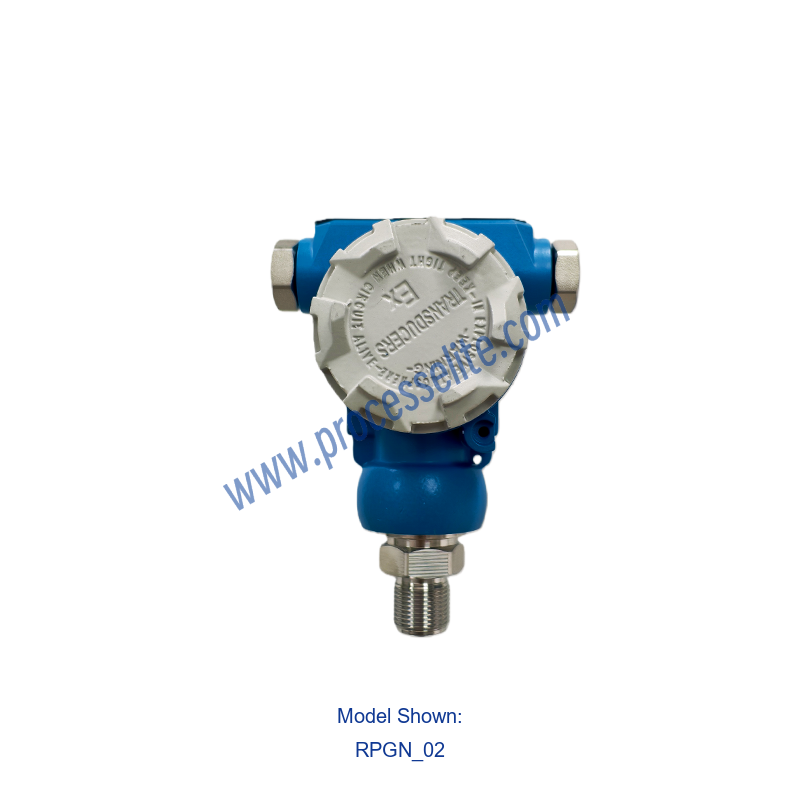
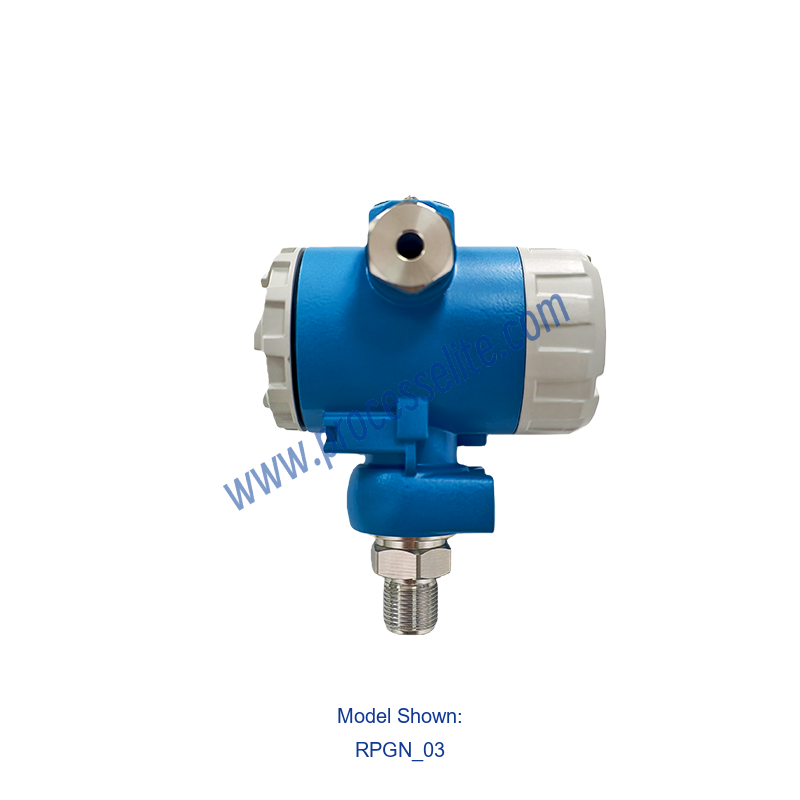
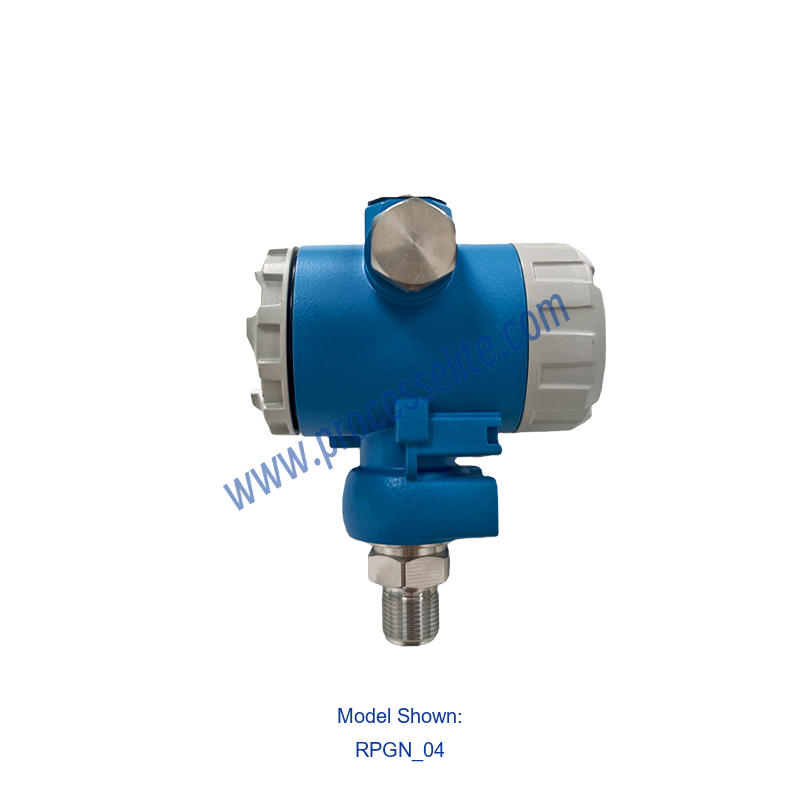
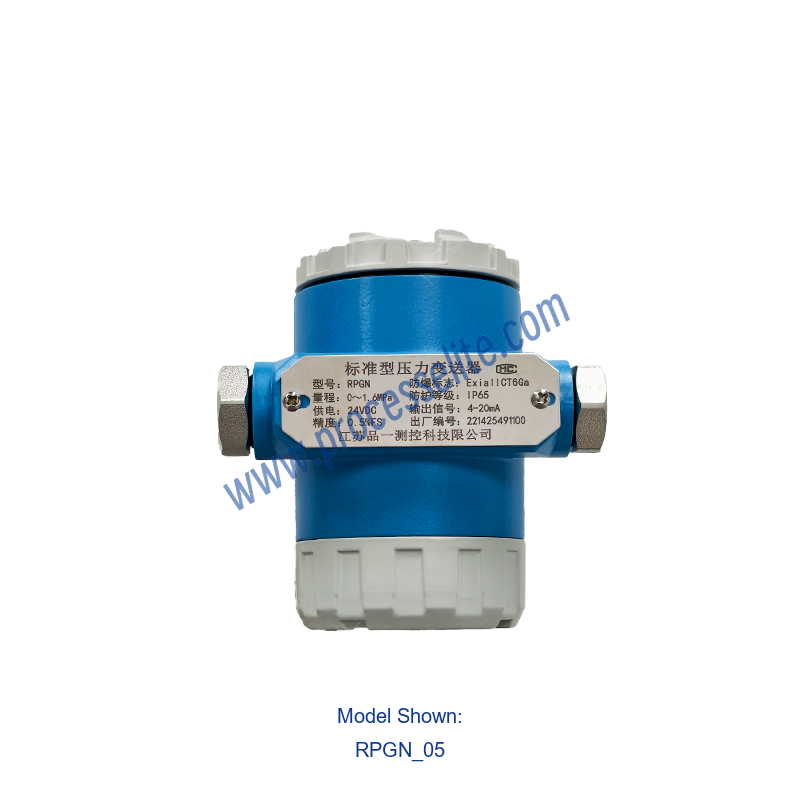
Integrated pressure transmitter features easy installation and a wide pressure measuring range.
Equipped with imported diaphragms and calibrated by professional factory calibration equipment, the product ensures high accuracy, excellent repeatability, strong overload resistance and long service life.
Typical applications
Pressure transmitters are widely applied across various industrial sectors:
1. Oil, Gas & Chemical Industry
During drilling, extraction and transportation of oil and gas, pressure transmitters monitor downhole pressure in real time to stabilize pipeline pressure, avoid leakage and blockage, and guarantee safe and efficient delivery. For chemical processes, they supervise pressure inside reactors, storage tanks and pipelines to secure chemical reactions and consistent product quality.
2. Food Processing Industry
They monitor pressure of fermenters, mixing tanks and other equipment to stabilize production and safeguard food quality & safety. For canned food manufacturing, real-time tank pressure monitoring supports optimized production parameters.
3. Environmental Protection Industry
In wastewater treatment, transmitters track equipment pressure to maintain normal operation of water treatment facilities. At sewage pumping stations, outlet pressure monitoring enables pump status adjustment for higher treatment efficiency.
4. Papermaking Industry
In pulp and paper production, pressure transmitters detect equipment pressure fluctuations to regulate pump speed and valve opening, lifting productivity and cutting energy consumption.
5. Pharmaceutical Industry
Pressure transmitters monitor and control process pressure variations throughout pharmaceutical manufacturing to ensure safe and effective finished products.
6. Other Industries
Extensively utilized in power, urban gas, iron & steel, non-ferrous metal, ceramic, machinery, shipbuilding and more. In construction machinery, they monitor and control hydraulic and cooling systems to boost equipment precision and reliability.