How it works
Single-crystal silicon resonant sensors operate via electromagnetic excitation and electromagnetic vibration pickup, outputting frequency signals. When pressure acts on the upper and lower surfaces of the single-crystal silicon wafer to generate a differential pressure, the wafer deforms and shifts the resonant beam frequency, converting pressure signals into frequency signals.
Metallic diaphragms at the high-pressure and low-pressure sides bear process pressure, which is transmitted to the top and bottom sides of the silicon wafer through filling fluid. The silicon wafer contains two oscillator cavities; the difference between the natural frequencies of the two oscillators represents the differential pressure signal.
Key features
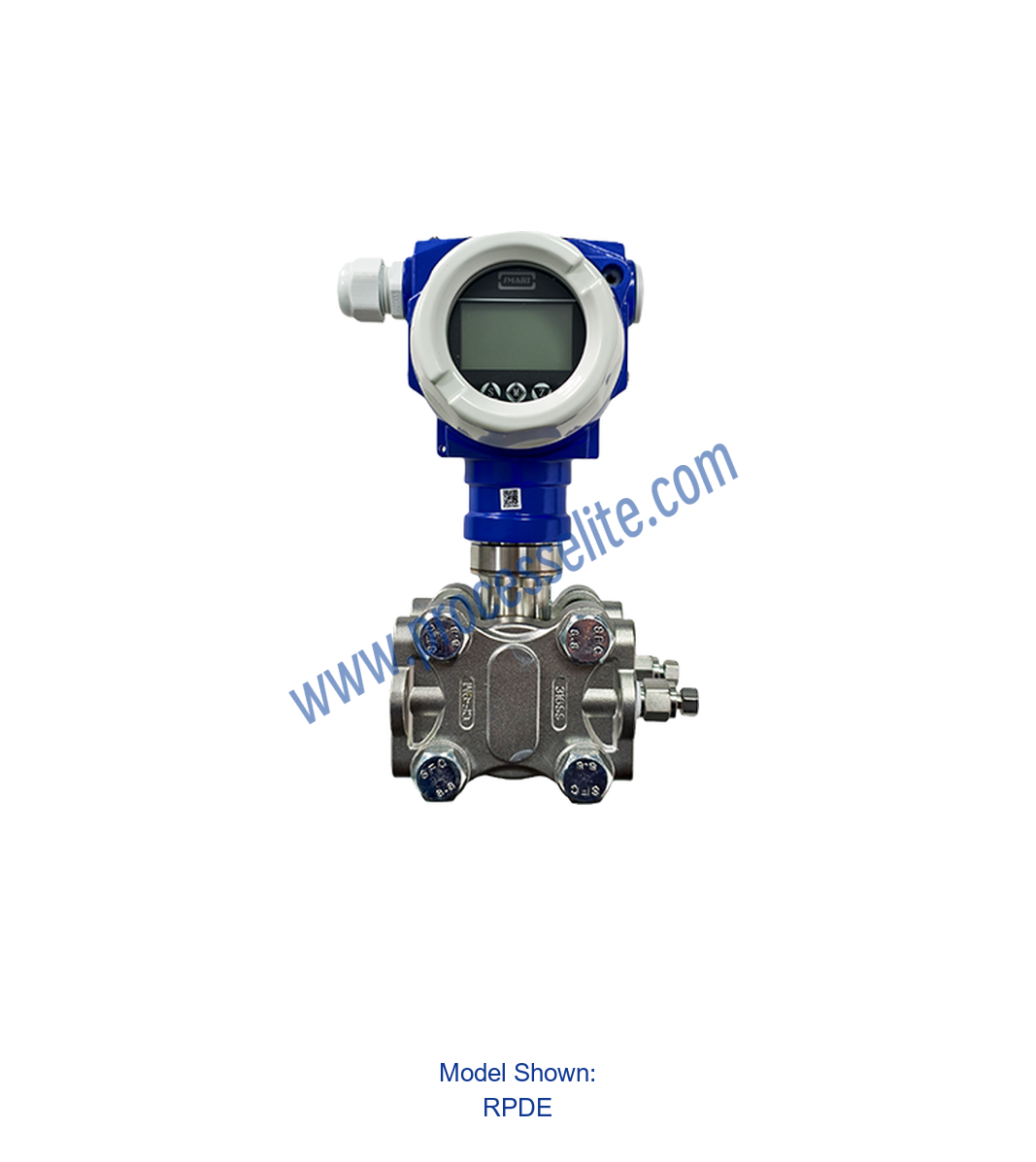
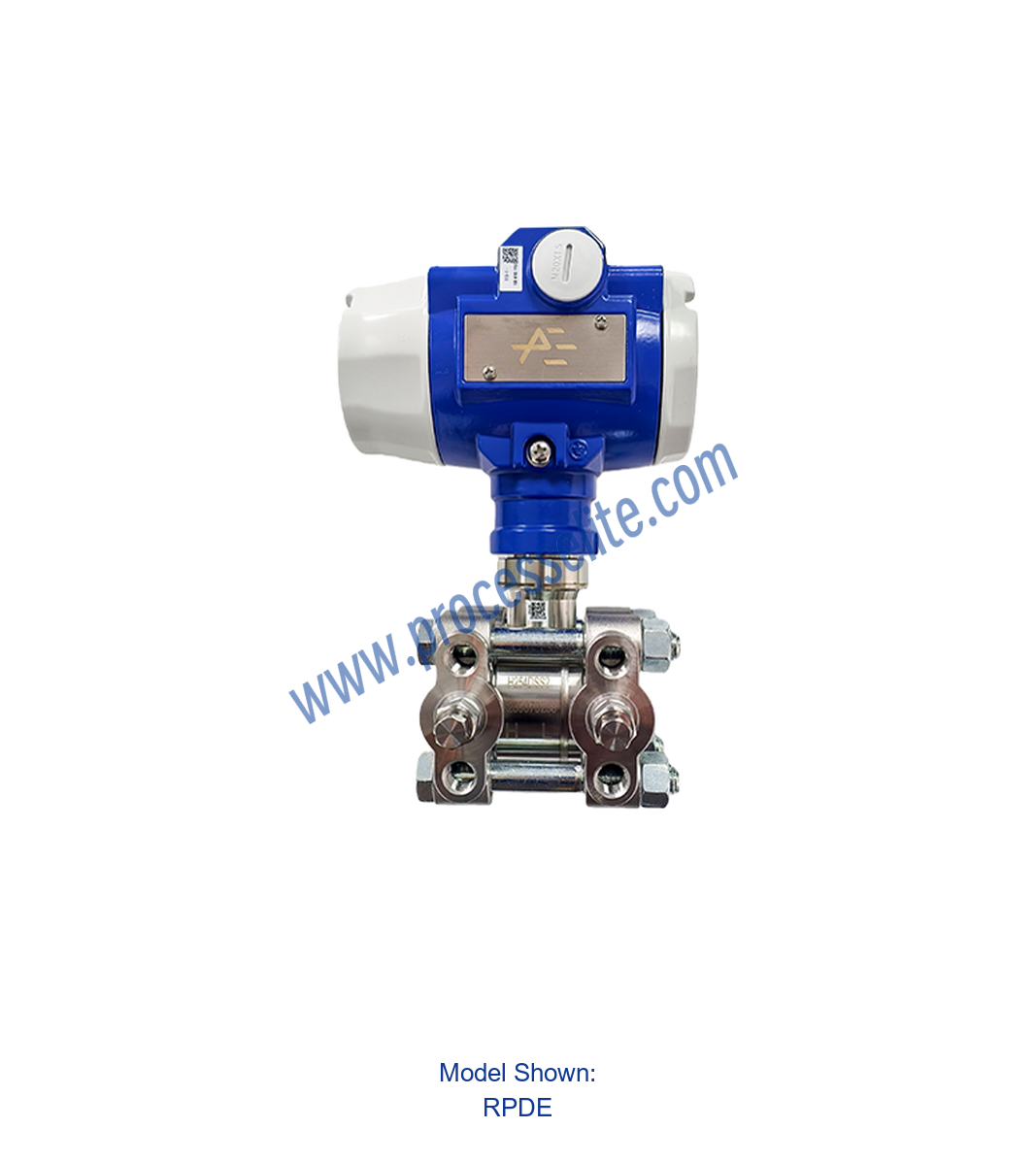
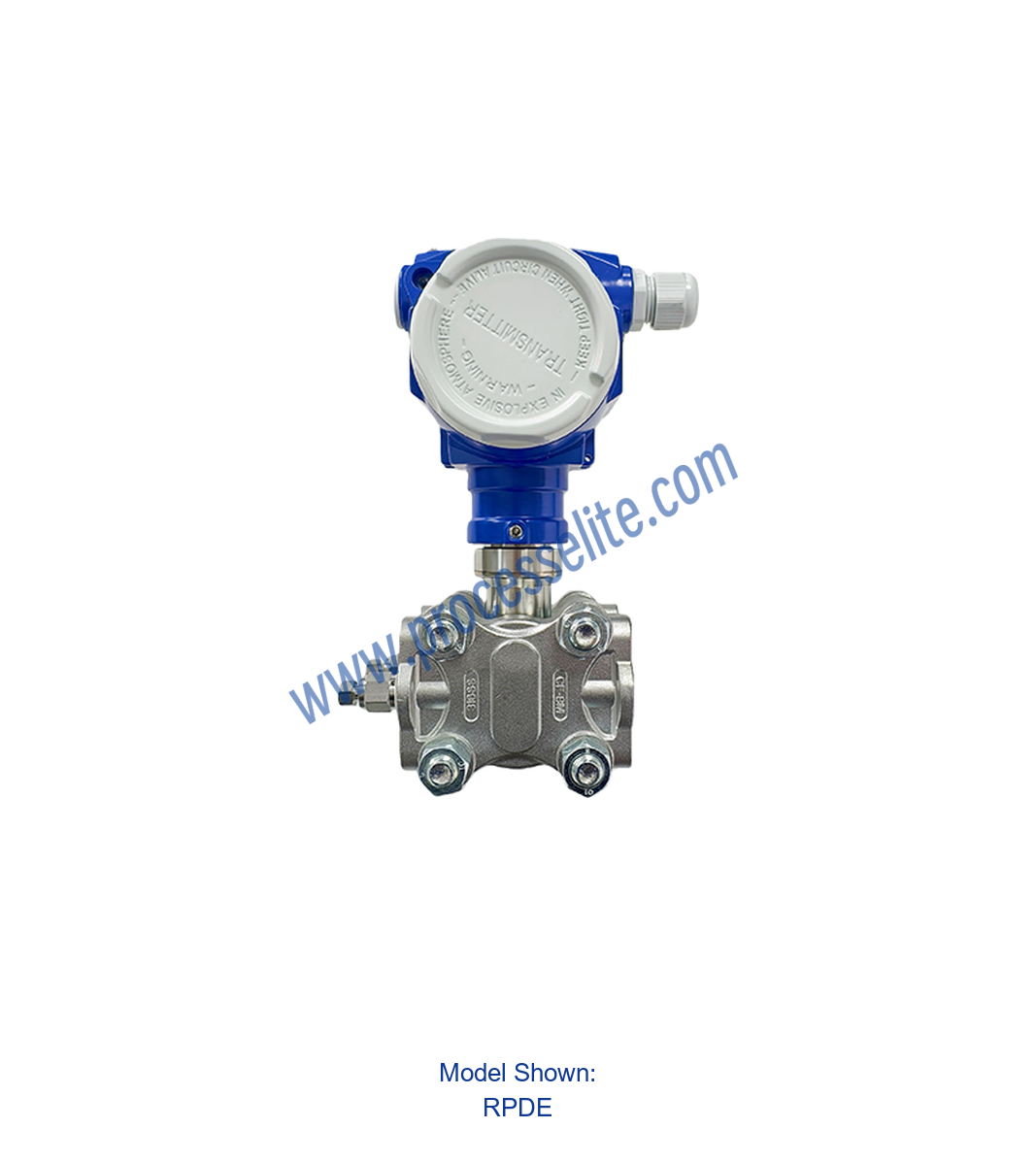
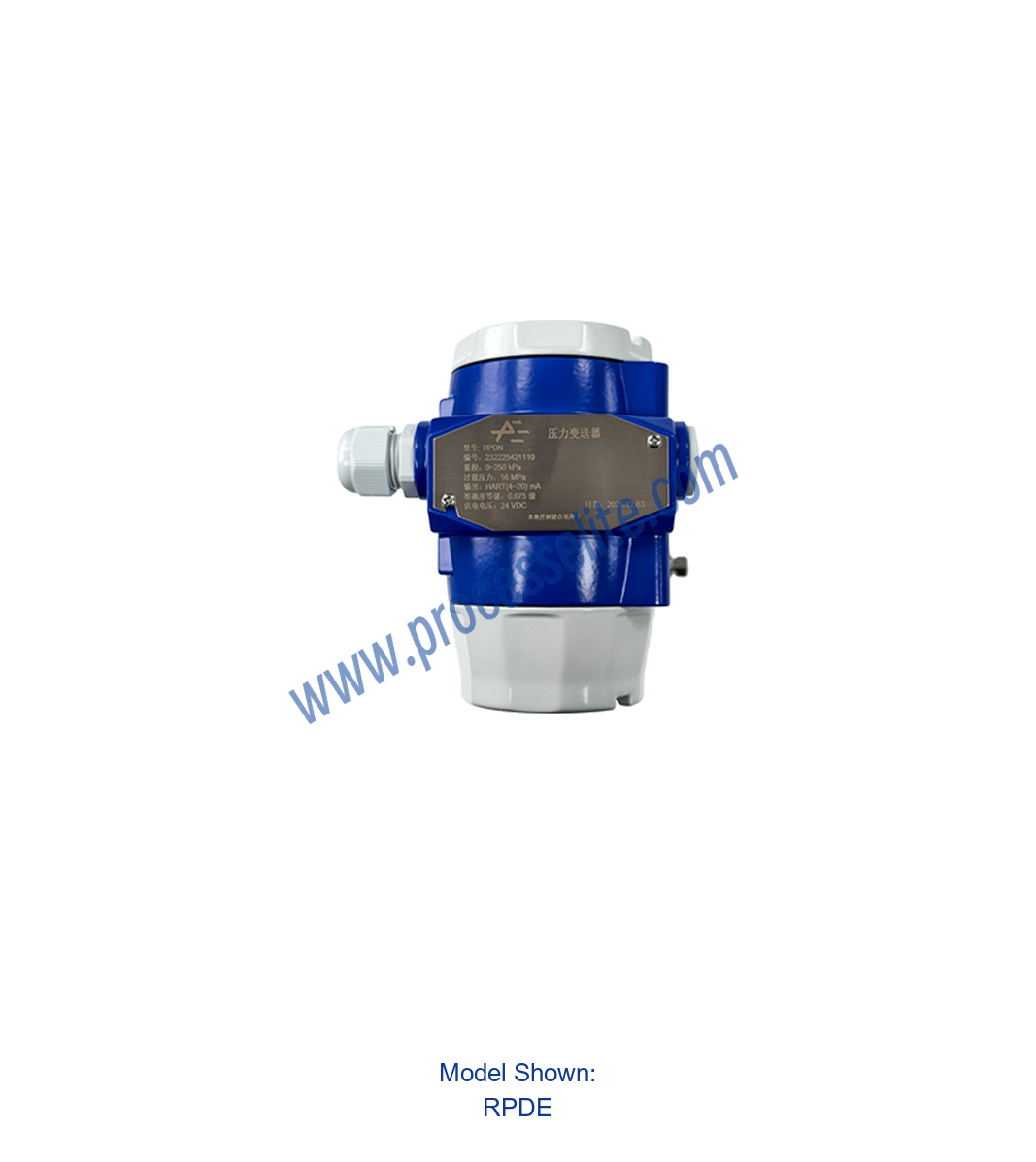
Integrated differential pressure transmitter features easy installation and wide pressure measuring range.
Equipped with imported diaphragms and professional factory calibration equipment, the product delivers high accuracy, excellent repeatability, strong overload resistance and long service life.
Typical applications
Differential pressure transmitters are widely used across various industries:
1. Industrial Process Control
Fitted on pipeline throttling devices in chemical plants to calculate flow and regulate valves for stable production. They monitor duct-furnace pressure difference in thermal power boilers to maintain proper fuel-air mixing and eliminate combustion risks.
2. HVAC
Detect pressure drop of HEPA filters in hospital clean air units and trigger alarms for filter replacement. Adjust fresh air fan speed in high-rises via indoor-outdoor pressure difference to sustain dust-proof positive pressure and save energy.
3. Level Measurement
Mounted under oil tanks to compute liquid level and inventory from static and gas pressure difference. Submersible transmitters measure sludge depth in water treatment sedimentation tanks to schedule sludge draining.
4. Energy Saving
Monitor branch pressure differentials on thermal power steam pipelines; paired with VFDs, they cut pump energy use by 30% vs traditional throttling. High-precision models control chamber vacuum in semiconductor coating gear to reduce costly material waste.